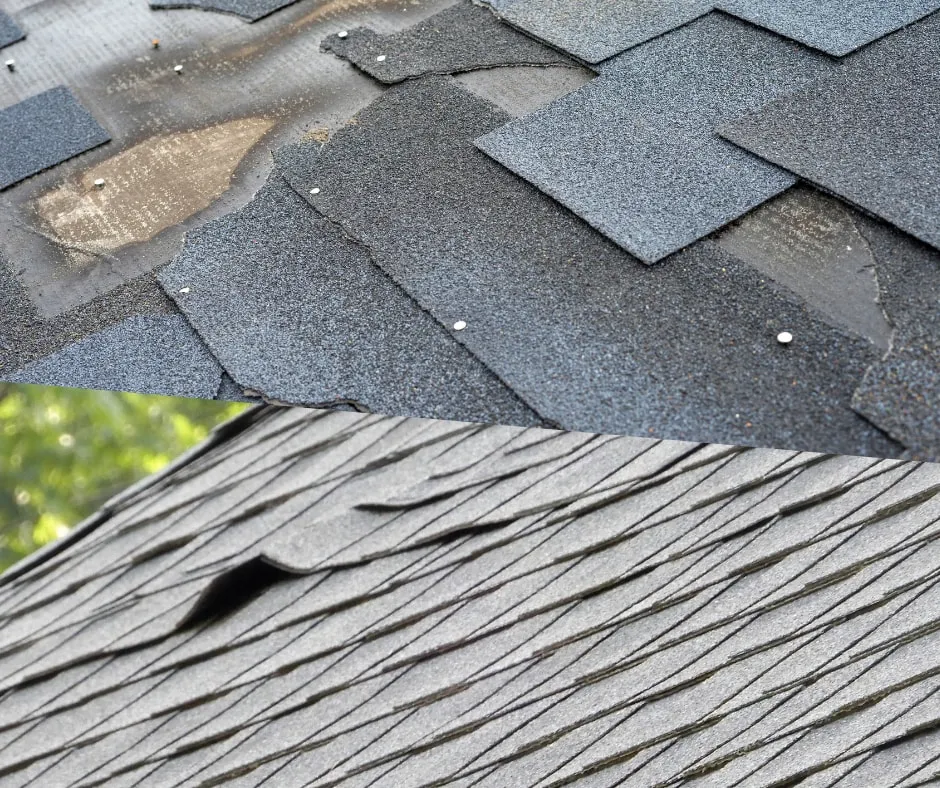
How Long Can You Leave Broken Shingles Unfixed During Utah’s Winter?
Learn how long you can leave broken shingles or a leaky roof unfixed during winter, the risks, and why timely repairs are essential for Utah homes.
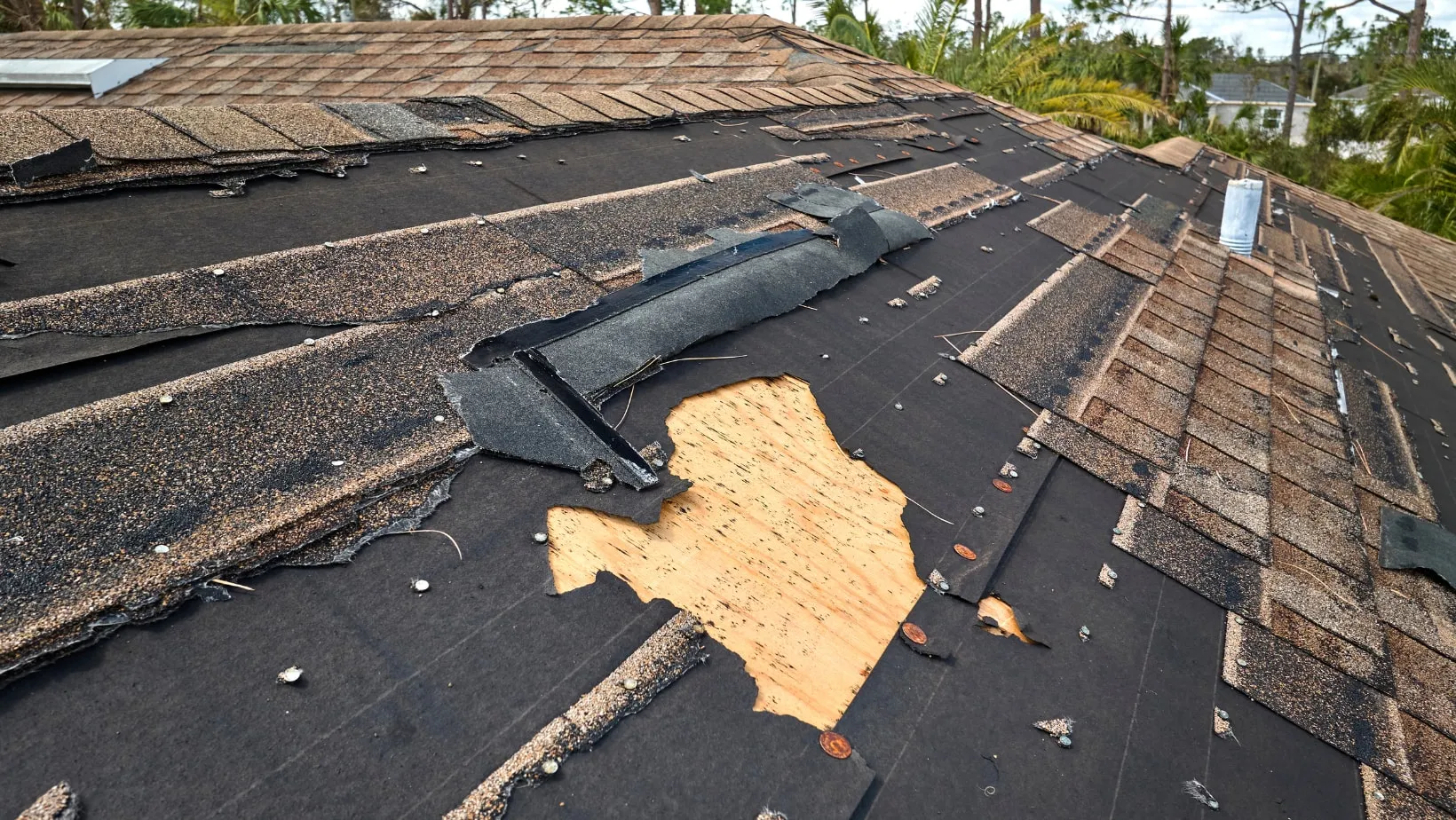
Leaks, Shingles and Flashing
We find the source of the problem and fix it with materials that match your roof, from a single broken shingle to a leak around the chimney.
A small roof problem rarely stays small. Water works its way under cracked shingles and loose flashing, then into the decking, insulation and ceilings. We handle roof repair across Utah County, and we fix the cause, not just the stain on your ceiling.
A leak doesn't always mean you need a new roof. We assess the extent of the damage and recommend the repair that fits. If your roof is near the end of its life, we'll tell you and explain your roof replacement options.
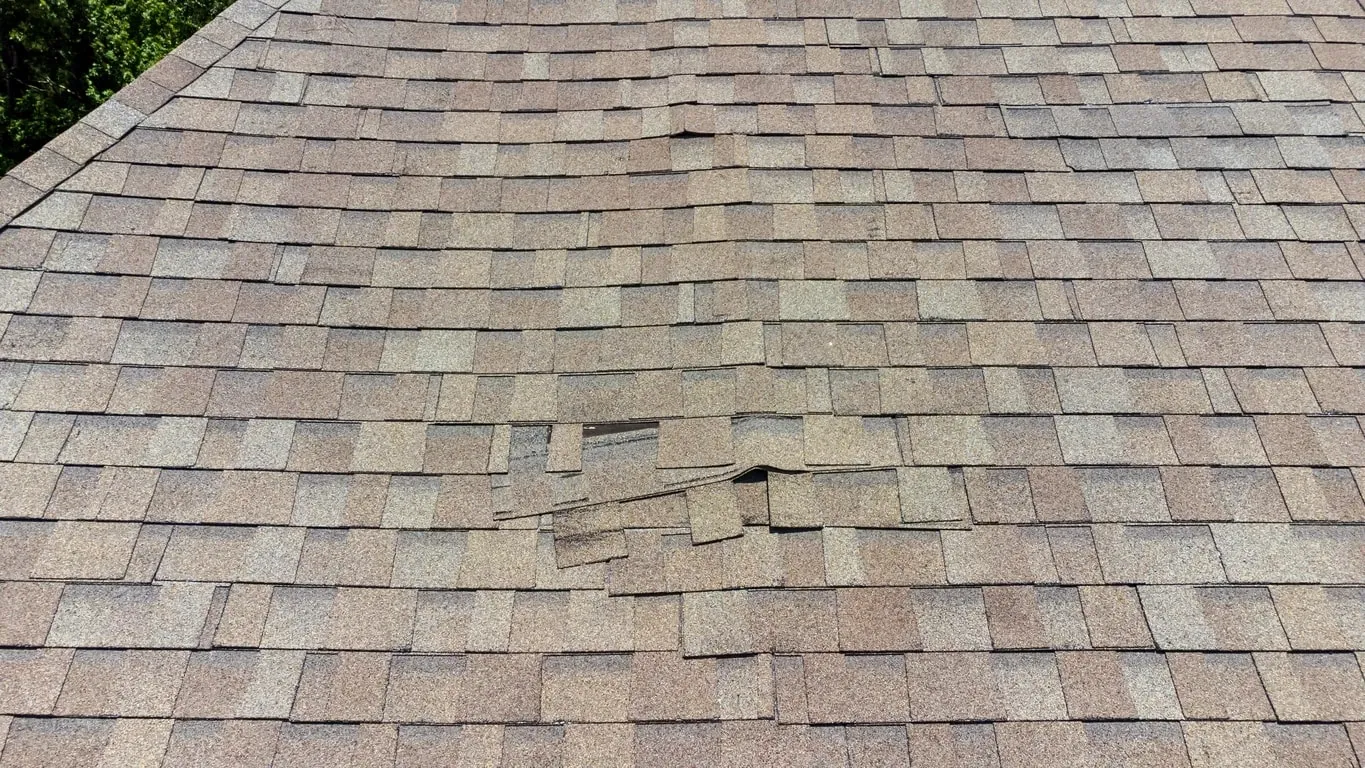
Leaks
The stain on your ceiling often isn't directly under the leak. Water travels along the decking and rafters before it shows up inside, so we trace it back to the source first.
Most leaks start at the flashing around chimneys, vents and skylights, at cracked or missing shingles, or at the eaves when ice dams back water up under the shingles. Once we find the cause, we repair it with materials that match your existing roof.
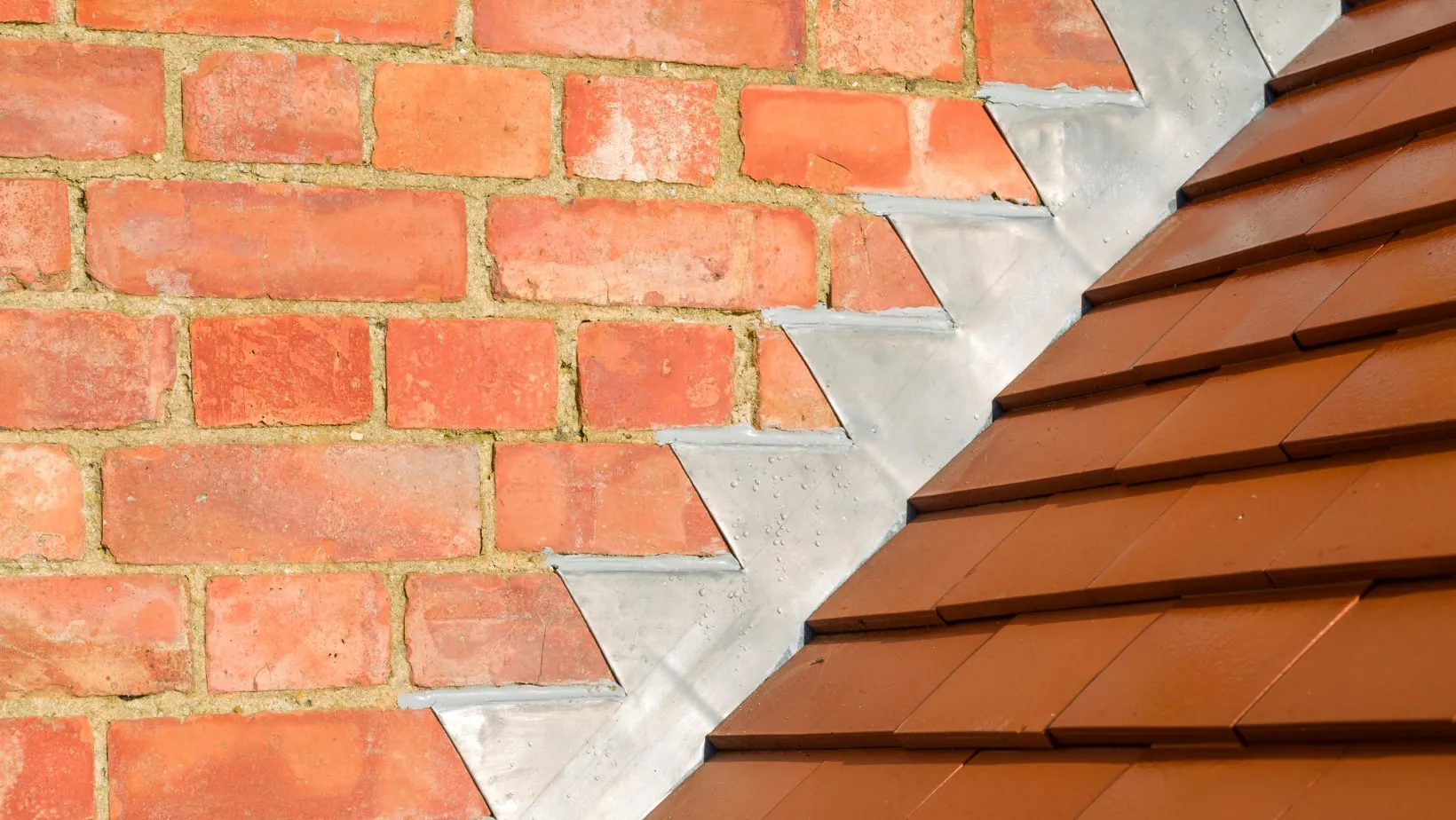
What We Fix
We replace cracked, curled or missing shingles with the same type of shingle for a proper fit and seal.
Flashing seals the joints where your roof meets walls, chimneys, skylights and vents. We reseal or replace flashing that has rusted, loosened or cracked.
Ice dams push water under the shingles at the eaves. We repair the damage and check the attic insulation and ventilation that cause them.
Deteriorating seals around vents, pipes and chimneys let water in. We replace worn seals before they turn into leaks.
We repair shingles that a storm has lifted, torn or dented. For help with insurance, see storm damage and insurance claims.
Long-term leaks rot the wood decking under the shingles. We replace soft or rotted sections before new shingles go on.
Emergencies
When a storm tears off shingles, a branch punctures the roof or water is coming through the ceiling, the first job is to keep more water out. Emergency repairs usually start with temporary protection, such as a tarp or cold-weather sealant over the damaged area, until the permanent repair can be made.
Our office line is open 24 hours a day, Monday through Saturday. Winter isn't the time for major roofing projects, but emergency fixes and minor repairs are possible and often necessary.
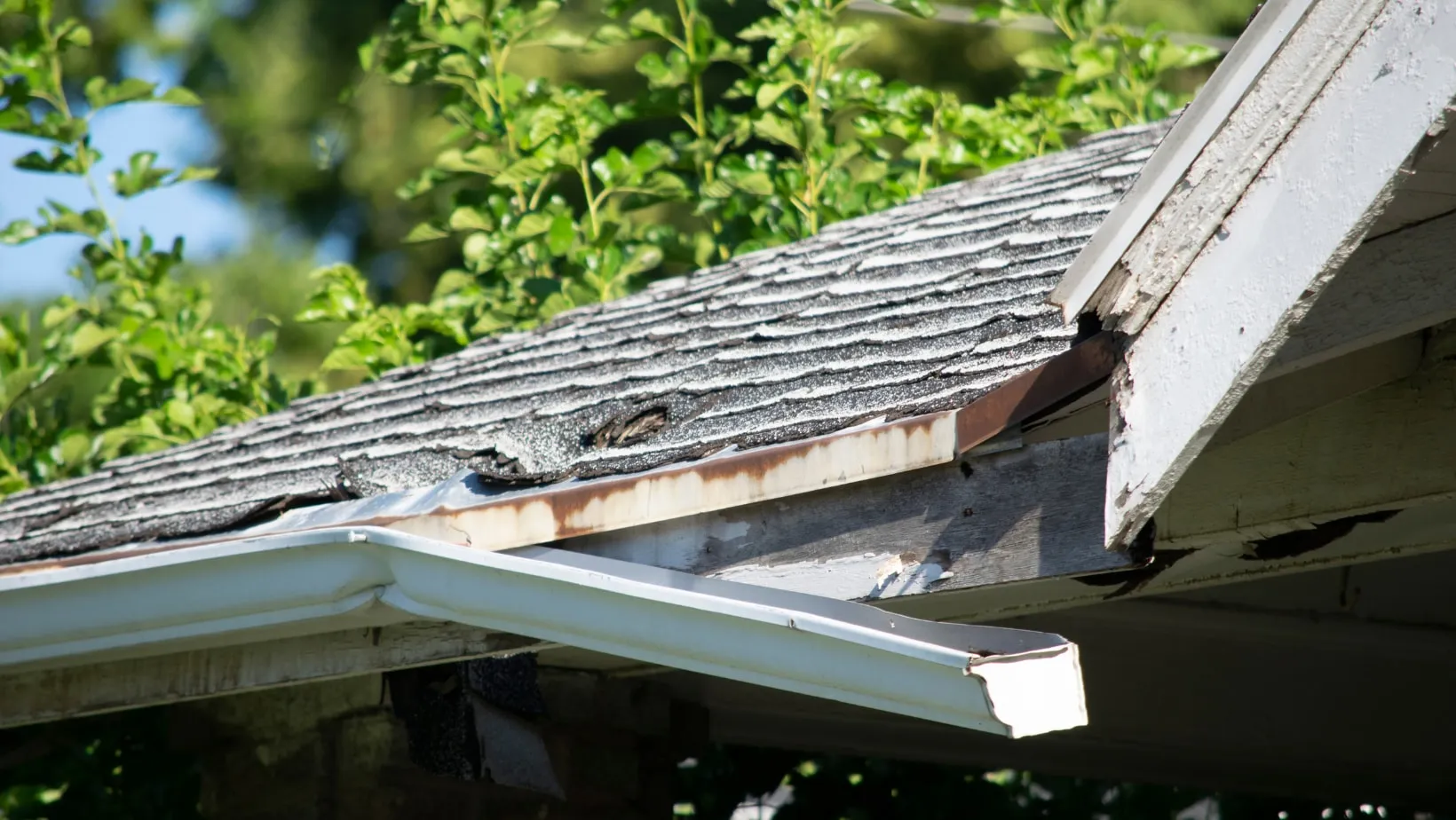
Warning Signs
Brown spots on ceilings or walls, or damp insulation in the attic.
Gaps after a windstorm, or shingles that are cracked, curled or blistered.
Heavy granule loss leaves the asphalt exposed to sun and water.
Gaps, rust or cracked sealant around chimneys, vents and skylights.
Thick ice along the eaves often means heat is escaping from the attic and water is backing up under the shingles.
A sign of moisture trapped in the attic from a slow leak or poor ventilation.
What Utah County homeowners and builders say about A1 Roofing.
I talked to Dave Saturday evening after I noticed about four feet of ridge cap had blown back exposing a five inch wide opening on my roof. He said he could have someone there Monday morning. Then he asked for a couple of pictures. I sent them. He called five minutes later and said he would be right over. Within an hour of my call Saturday night my roof was repaired! Just wanted to give a shout-out for his excellent service and prompt response. I'll definitely call A-1 Roofing again and I highly recommend them.
“They were on time, laid out tarps to protect things and cleaned as they worked.”
James J.
“Quick to action, quality work and very communicative.”
Nathan S.
“They did the tear-off, new decking and the new roof in one day!”
Joshua D.
Not necessarily. Many leaks come from a single failed spot, such as flashing or a few damaged shingles, and a repair fixes them.
If the roof is near the end of its life or the damage is widespread, replacement may be the better investment. We assess the damage before we recommend either.
In most cases, not long. Snow, ice and freeze-thaw cycles can turn a small crack into a leak within weeks, and the moisture rots decking and soaks insulation.
If a full repair has to wait, the damaged area can be protected with a tarp or cold-weather sealant. Read more in how long you can leave broken shingles unfixed.
Flashing is usually aluminum or galvanized steel. UV exposure, heavy rain and snow, and Utah's swings between hot and cold make it expand, contract and loosen over time.
Poor installation and clogged gutters that back water onto the roof cause failures too. See what causes damage to roof flashing.
Heat escaping from the attic melts snow on the roof. The water runs down to the colder eaves, refreezes and forms a ridge of ice that traps the next round of meltwater, which backs up under the shingles.
The lasting fix is better attic insulation and ventilation. Learn more in how to prevent ice dams and leaks.
Move belongings out of the way, catch the drip and take photos of the damage. If you see water dripping in the attic or soaked insulation, call us right away.
Don't climb onto a wet or icy roof yourself. A fall is a much bigger problem than a leak.
Yes. We inspect your roof for free and give you a clear estimate before any work begins.
From our roofing blog, written for Utah homeowners.
All Roofing TipsLearn how long you can leave broken shingles or a leaky roof unfixed during winter, the risks, and why timely repairs are essential for Utah homes.
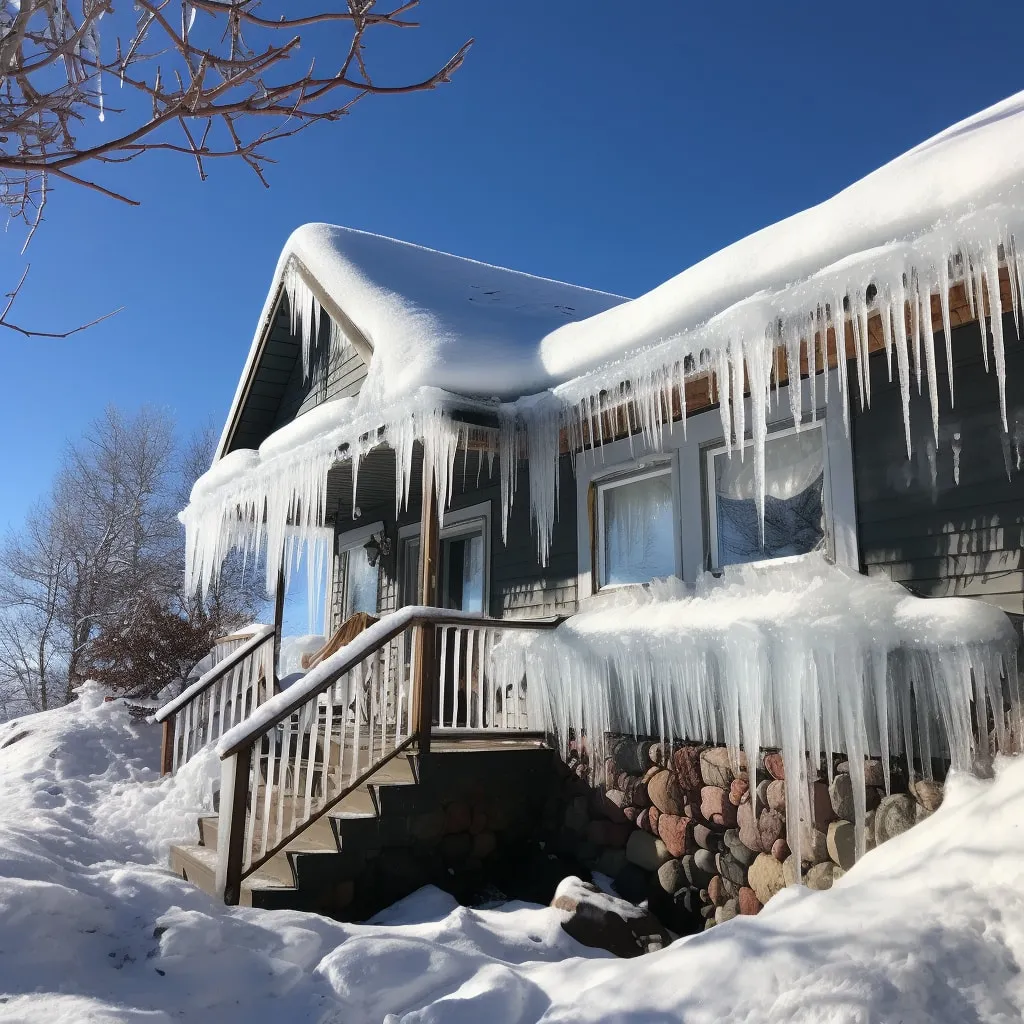
Do you have a leaky roof? Winter roof repair can be tricky, but it is possible! Call A1 Roofing if you do have concerns with your roof in Utah.
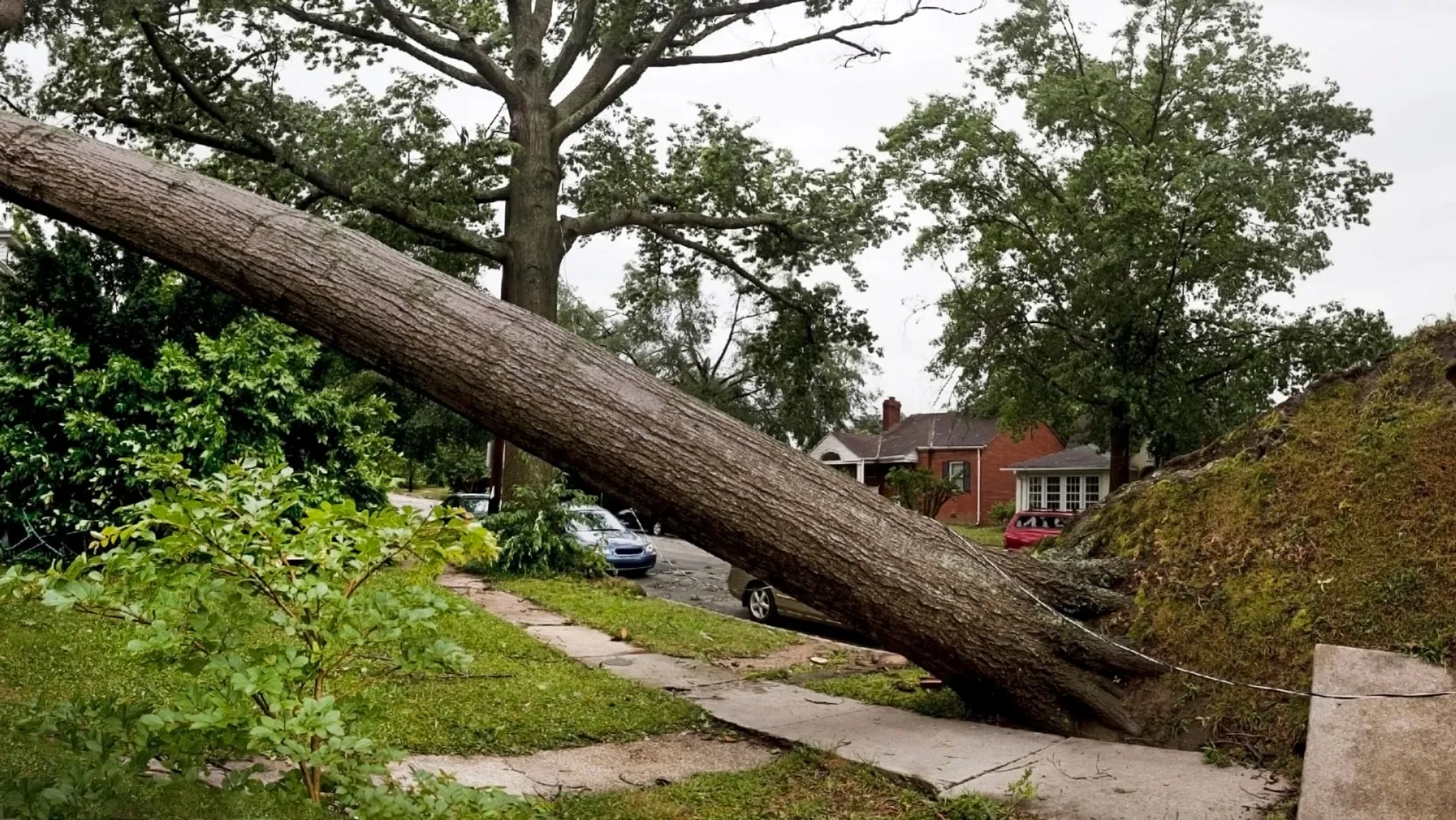
Hail and wind damage documented, repaired and walked through your insurance claim.
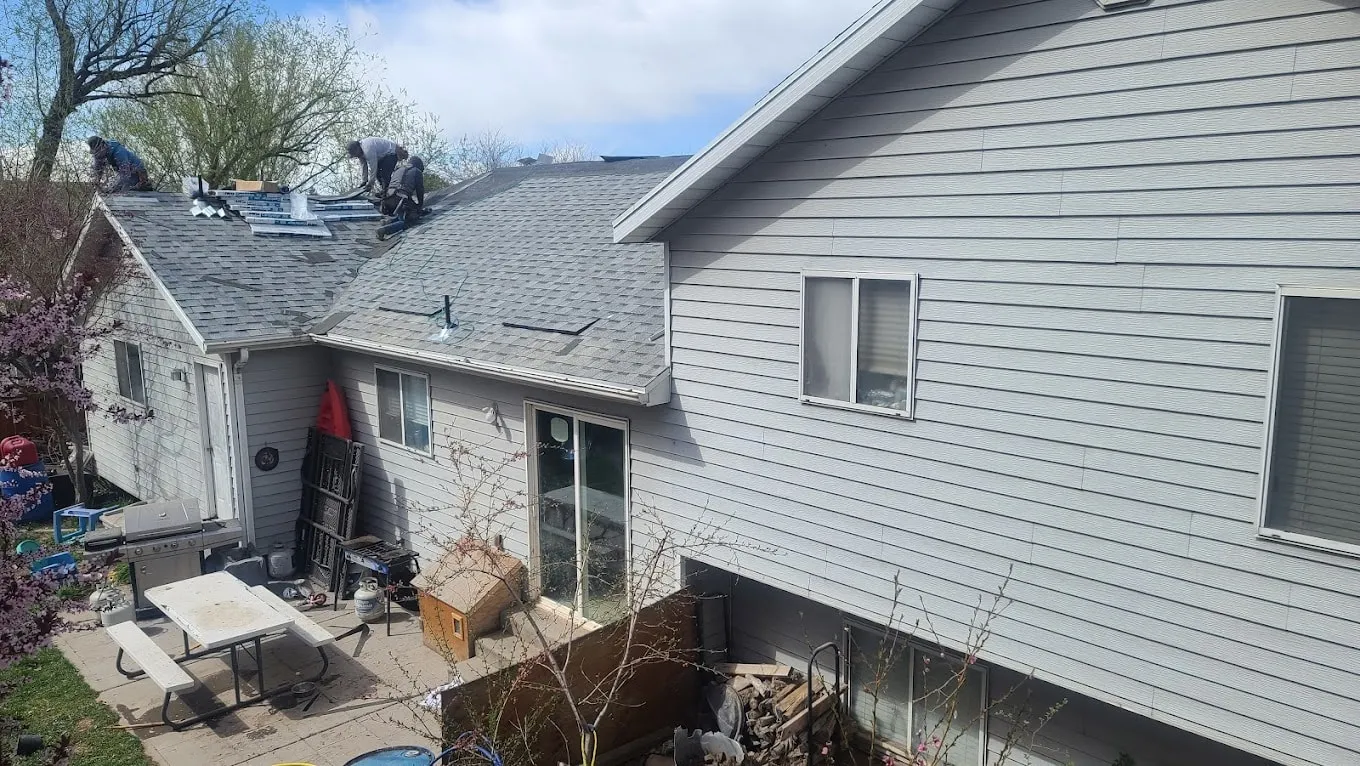
A free 16-point inspection with photos, so you know exactly where your roof stands.
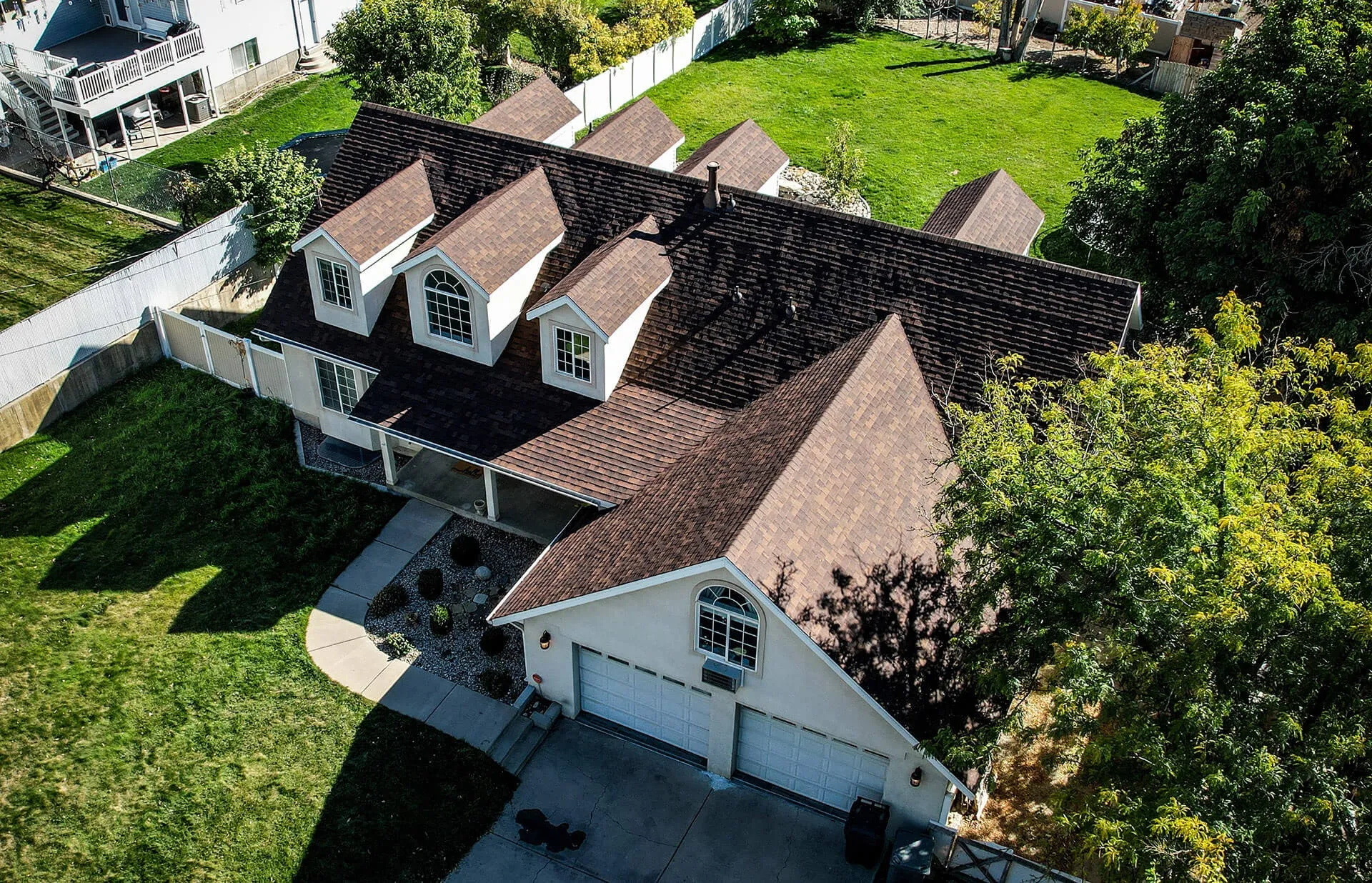
Full tear-off and new roof, built to manufacturer specs with a lifetime workmanship warranty.
Book a free inspection and we'll find the source of the problem before we quote the repair.